

The "Last Mile" Challenge in European Pharmaceutical Distribution

August 5, 2026

GDP temperature control on the "last mile" of mail-order pharmaceutical deliveries

The current regulatory debate in Germany brings a critical supply chain challenge into focus: ๐—š๐——๐—ฃ ๐˜๐—ฒ๐—บ๐—ฝ๐—ฒ๐—ฟ๐—ฎ๐˜๐˜‚๐—ฟ๐—ฒ ๐—ฐ๐—ผ๐—ป๐˜๐—ฟ๐—ผ๐—น on the "last mile" of mail-order pharmaceutical deliveries.

What is the issue ? The core issue concerns how strictly temperature requirements must be monitored when medicines are shipped directly to patients. The
German Federal Ministry of health (BMG) drafted a regulation that would legally require logistics companies to document and prove that they maintain strict temperature conditions during the final delivery phase. The European Commission intervened with a formal objection, arguing that forcing standard logistics providers to guarantee continuous temperature controls is disproportionate and would severely disrupt cross-border trade within the EU.

Traditional brick-and-mortar pharmacies and wholesalers already adhere to rigorous GDP protocols. The
German Wholesale Association (PHAGRO | Bundesverband des pharmazeutischen Großhandels e.V.) mandated a legal expert opinion from the renowned law firm Gleiss Lutz and is actively pushing for these strict controls on the mail-order supply chain. Wholesalers argue that standard mail-order shipments currently represent a regulatory gap, as the pharmacies sending the products have virtually no direct control over how standard delivery services handle the packages.

Because the German draft law affects European trade, impacting large mail-order pharmacies (Doc Morris, Redcare…), it required notification to the EU Commission. The Commission's intervention triggered a "standstill period," effectively freezing Germany's ability to pass the regulation. Representatives of the wholesale sector have publicly accused the EU Commission of acting as a lobbyist for large mail-order corporations and placing economic interests above patient safety.

From a regulatory standpoint, the EU Commission is attempting to balance two foundational priorities: the free movement of goods within the single market and the protection of public health. The Commission's rationale is that existing laws already make the sending pharmacy legally responsible for the medicine's quality, making further enforcement on the logistics companies an unnecessary barrier to trade. Conversely, legal experts commissioned by the wholesale sector argue that EU law explicitly dictates that public health must take precedence over economic interests, and that documenting temperature is the only logical way to ensure product safety.


Link to the Gleiss Lutz legal opinion :

https://www.phagro.de/app/uploads/2026/05/Gutachterliche-Stellungnahme_Gleiss-Lutz_Verhaeltnismaessigkeit-des-§-9a-AMHandelsV.pdf

Share this article

Related Posts

By Daniel Muscionico July 14, 2026
The European Medicines Verification System (EMVS) has been a game-changer in enhancing the safety and integrity of the pharmaceutical supply chain across Europe. By implementing a unique identifier (UI) for each medicinal product, EMVS facilitates the real-time verification of product authenticity

By Daniel Muscionico July 14, 2026
As the pharmaceutical landscape continues to evolve, the need for standardized identification and management of medicinal products has never been more critical. The Identification of Medicinal Products (IDMP) standards, established by the International Organization for Standardization (ISO) and supported by regulatory
By Daniel Muscionico July 14, 2026
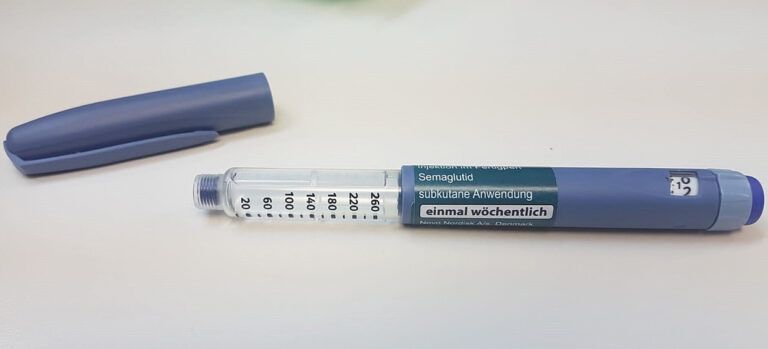
In a concerning development, counterfeit Ozempic pens have been discovered in the EU market, raising alarms about the safety of patients. These fake products, indistinguishable from genuine ones, have been traced back to wholesalers in Austria and Germany. Fortunately, the EU Medicines Verification System (EMVS) has be
By Daniel Muscionico July 14, 2026
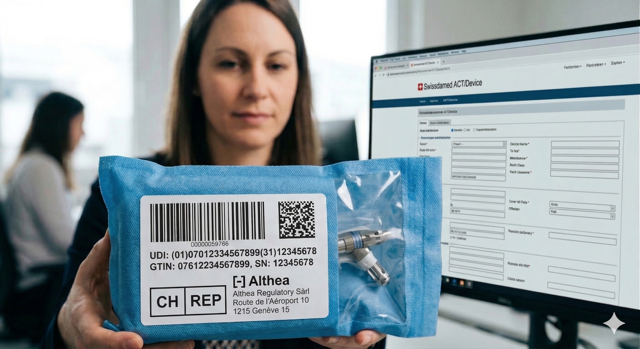
In the changing landscape of European MedTech, Switzerland plays a unique and complex role. With the termination of the Mutual Recognition Agreement (MRA) in May 2021, the Swiss market has transformed into a "third country," bringing new national requirements. The upcoming implementation of Swissdamed and the role of t